Dublin Zoo: 28 Hectares of the Phoenix Park, a Reborn Rainforest House, and an Irish Habitat on the Way
Founded in 1831 and heading for its bicentennial in 2031, Dublin Zoo spent 2026 reopening its historic Rainforest House and winning planning permission for a walk-through habitat of Ireland's own wildlife. Here is what a visit actually delivers now.
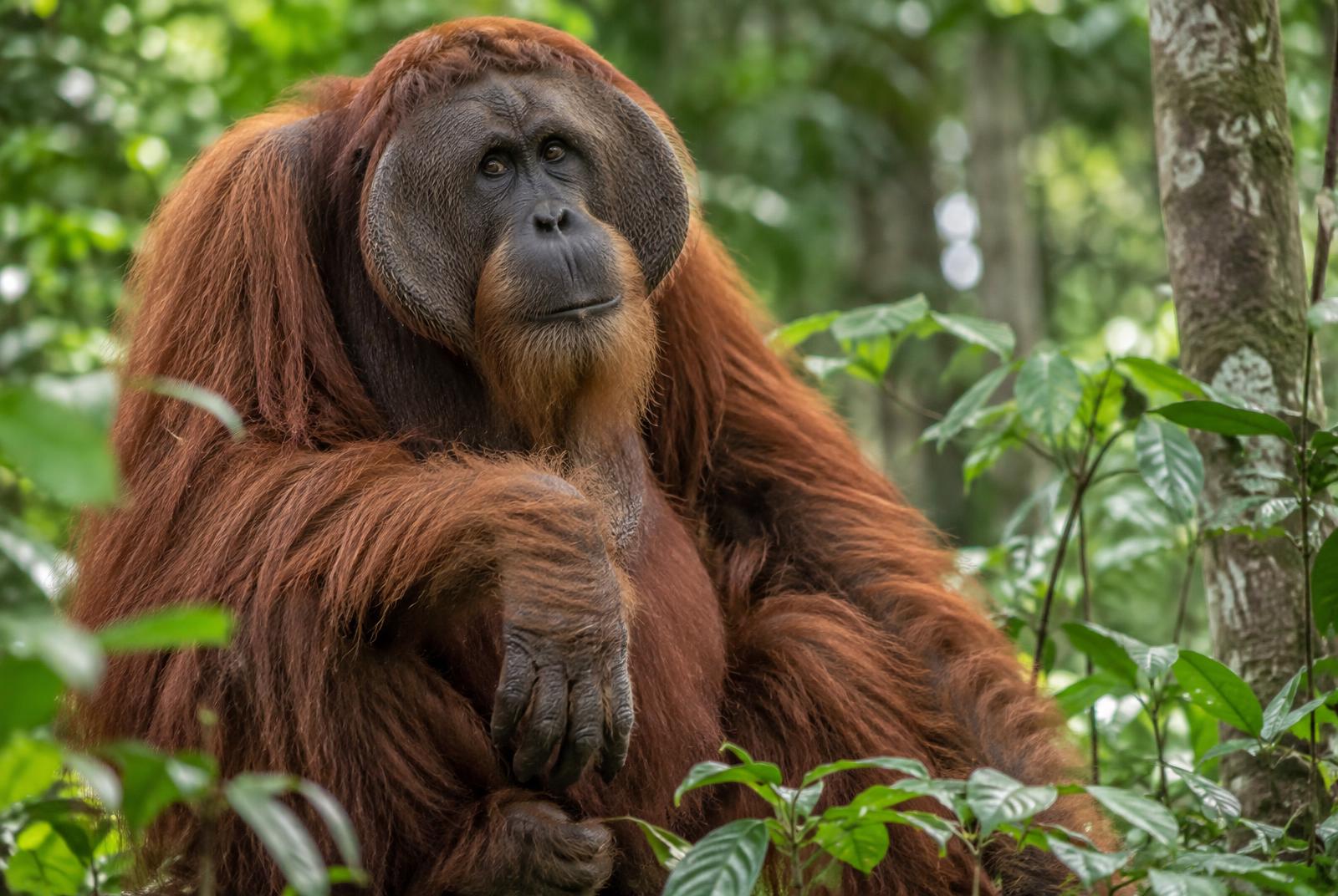
Almost every adult in Ireland has a Dublin Zoo memory, and most of them are from the back seat of a car heading into the Phoenix Park. What tends to surprise people returning as adults — often with children of their own in tow — is how little of the place resembles the zoo they remember. The cages are gone. What replaced them is 28 hectares of landscaped habitat holding more than 400 animals across over 70 species, run by a conservation charity that puts every ticket back into animal care, habitat work and conservation projects at home and abroad.
And 2026 has been a substantial year for it. The historic Rainforest House reopened in late April after a two-year redevelopment, and in March the zoo secured planning permission for something it has never had before: a walk-through habitat dedicated entirely to Ireland's own wildlife.
A Zoo Approaching Two Hundred Years Old
Dublin Zoo is operated by the Zoological Society of Ireland, founded in 1831 — a lineage the zoo itself now measures against a fixed date, because its Animal Welfare Master Plan sets goals to be achieved by the organisation's bicentennial in 2031. Reading the Society's list of past presidents is a short course in Irish civic history: Sir Philip Crampton, the Duke of Leinster, the Archbishop of Dublin, Field Marshal Earl Roberts, Professor David McConnell of Trinity, and on into the present day.
Very few visitor attractions anywhere in Europe can trace a continuous institutional line back that far and still be actively redeveloping their site. That combination — deep history, constant rebuilding — is what makes the zoo worth a return visit rather than a one-off childhood entry in the memory bank.
The Rainforest House, Two Years in the Making
The single biggest change for visitors this year is the return of the Rainforest House, officially reopened in April 2026 by Jack Chambers, Minister for Public Expenditure, Infrastructure, Public Service Reform and Digitalisation, alongside Minister of State Kevin Boxer Moran and zoo director Dr Christoph Schwitzer. It had been closed for two full years.
What has come back is an immersive indoor habitat built to recreate tropical rainforest conditions, home to species including Linné's two-toed sloths, Bolivian squirrel monkeys, Venezuelan red howler monkeys and white-faced saki. Many of the species housed there are part of international breeding programmes and conservation initiatives aimed at safeguarding vulnerable wildlife populations — which is the part that separates a modern zoo from a menagerie. For a family visiting on a wet Irish afternoon, it also happens to be warm, indoors and genuinely absorbing, which is no small thing in this climate.
Ireland's Own Wildlife, Coming Next
On 19 March 2026, Dublin City Council formally approved the zoo's plans to convert the former tapir house — entered at the Thatched Cottage, near the Meerkat restaurant and pond and the Discovery and Learning Centre — into a journey through Ireland's native animals, flora and fauna. The application had been submitted in mid-2025, with additional information sought on archaeology, site biodiversity and the conservation of a monument on the site.
The design, as set out in the application, is a walk rather than a viewing point. Double doors lead onto a meandering path through landscapes representing important Irish plant communities. A new Irish hare enclosure greets visitors at the top of the zone, with a viewing deck looking across the habitat. Further down the slope, Irish grassland gives way to pine woodland, and visitors walk beneath an overhead crossing built for native red squirrels. At the base of the slope, beside the lake edge, a new aviary for birds of prey mixes overland and overwater habitat for raptor species.
It fits a wider direction of travel. The zoo's Sustainability Master Plan includes new areas dedicated to Irish wildlife among its future projects, and in March 2025 the zoo entered an agreement with the National Parks and Wildlife Service. Separately, planning has already been granted for a waterfront dining experience serving the African Plains. For visitors, the upshot is straightforward: the day out is being reshaped around Irish nature and around somewhere decent to sit down and eat.
A Year of Recognition
In June 2026, at the British and Irish Association of Zoos and Aquariums annual conference in Edinburgh, Dublin Zoo took three awards and a runner-up accolade across 14 categories. One of the winners was its Supported Volunteer Programme — a 12-week scheme developed with the Central Remedial Clinic, creating conservation and education volunteering roles for adults with disabilities, building confidence, communication and independence while contributing to visitor engagement and animal enrichment.
"These awards place Dublin Zoo among the standout performers in the British and Irish zoo and aquarium community this year," said Dr Christoph Schwitzer, Director of Dublin Zoo, crediting staff, volunteers, interns and partners. Earlier in the year, in April, Minister for Agriculture, Food and the Marine Martin Heydon launched the zoo's Animal Welfare Master Plan, developed by its animal care, veterinary and curatorial teams with the zoo's Behaviour and Welfare Scientist, Lucy Stratford — a post created in October 2024 that made Dublin Zoo the first organisation on the island of Ireland to employ a scientist dedicated exclusively to animal welfare and behaviour.
Planning Your Visit
Dublin Zoo is in the Phoenix Park, Dublin 8 (D08 AC98), and opens daily from 9.30am, with closing times and last entry varying by season — at the time of writing, 6pm closing with last entry at 5pm and the African Plains closing at 5.30pm. The African Plains always closes 30 minutes before the zoo itself. It opens year round, closing only on Christmas Day and St Stephen's Day, with occasional closures for extreme weather or state visits to the Phoenix Park.
Booking online saves up to 15%. Adult admission is €26.50 at the gate or €22.50 online for a dated day ticket; children aged 3–15 are €20.00 at the gate or €17.00 online, and under-3s go free. Senior citizens over 65 and students with valid ID pay €21.00 at the gate or €17.50 online. There are reduced rates for visitors with additional needs — €15.50 adult, €11.00 child — with a free carer ticket available when booking an additional-needs ticket, subject to carer ID at checkout. A newer Flexi Ticket lets you visit any time within two months of purchase without picking a date: €25.50 adult, €19.00 child, €20.00 senior or student. Group and education rates are handled by the Discovery and Learning department.
Getting there takes planning, because the zoo has no customer car park. It is a 20-minute walk from Heuston Station and from the Luas Red Line stop, and several city-centre bus routes serve the Phoenix Park. For drivers, Lord's Walk car park is a two-minute walk away with capacity for 260 cars, the Cricket Grounds car park opposite the zoo holds 120, and spaces along North Road sit between a three- and fifteen-minute walk from the entrance. A small number of disabled parking spaces are outside the zoo entrance on a first-come, first-served basis. Leave the scooters, bikes, rollerblades and skateboards at home — they are not permitted.
One thing worth setting expectations on before you go, particularly with children: the animals at Dublin Zoo have the freedom to choose where they want to be, indoors or outdoors in their habitat. That is the right way to run a zoo, and it means some species will not be visible on any given day. Keeper talks through the day are the best way to fill the gaps, and the zoo publishes the day's talk times on its website each morning.
The Bottom Line
Dublin Zoo is no longer just the nostalgic day out your parents brought you on. It is a conservation charity approaching two hundred years old that has spent 2026 reopening a rebuilt Rainforest House, winning planning permission for a walk-through habitat of Irish hares, red squirrels and birds of prey, launching an Animal Welfare Master Plan and collecting three BIAZA awards. For visitors, that translates into a full day in the Phoenix Park for around €22.50 online, indoors when the weather turns, with every ticket going back into animal care and conservation work. Book online, go early, take the Luas, and give it the whole day — 28 hectares is more ground than most people plan for.