A New Fund, Perfectly Timed
Údarás na Gaeltachta has opened applications for a new €350,000 Gaeltacht Tourism Support Pilot Scheme, aimed at unlocking what the agency calls the largely untapped potential of Ireland's Irish-speaking regions as a tourism destination. The timing is no accident. 2026 marks 100 years since the Gaeltacht regions were formally recognised by the state, following the 1926 report of Coimisiún na Gaeltachta, which mapped out the Irish-speaking districts of Donegal, Mayo, Galway, Kerry, Cork and Waterford that still carry that designation today. A century on, the agency tasked with protecting those communities is betting that the same language and culture that has survived for a hundred years can now become one of the region's strongest economic assets.
The fund is open to small and medium businesses, community groups, co-operatives and not-for-profit organisations based in the Gaeltacht or in an officially recognised language planning area. Applications close on 30 June 2026, giving prospective applicants a tight but workable window to get proposals in. According to Údarás na Gaeltachta, the scheme is designed for targeted investment in high-quality tourism products built specifically around the Gaeltacht's unique linguistic and cultural identity, rather than generic tourism infrastructure that could be built anywhere in the country.
Why Now: The Demand Is Already There
The case for the fund rests on a genuinely striking piece of research: 42% of the Irish public, more than four in ten people, say they have a keen interest in taking a Gaeltacht holiday. That's a remarkable level of latent domestic demand for a part of the tourism sector that has historically punched well below its weight commercially. Údarás na Gaeltachta is explicit that this funding exists to convert that interest into actual visitor numbers and actual bookings, rather than leaving it as an underexploited statistic.
There's also a structural problem the fund is specifically designed to fix: seasonality. A large share of existing Gaeltacht tourism activity is tied to the summer Irish college season, when roughly 26,000 students travel to Gaeltacht districts in Donegal, Galway, Mayo, Kerry and Cork for residential Irish-language courses, generating an estimated €50 million in economic activity through accommodation, local employment and related spending. That's a genuinely significant economic engine, but it's heavily concentrated into a few weeks each summer. Údarás na Gaeltachta has said explicitly that part of the ambition behind this new fund is reducing reliance on seasonal employment by supporting the development of tourism products that work outside that narrow window, spreading economic benefit across more of the year rather than letting it all land in June, July and August.
What the Money Will Actually Build
The categories of project eligible for funding give a clear sense of what Údarás na Gaeltachta wants to see on the ground. Visitor experience development is the headline category, covering things like guided cultural tours and immersive activities built around Irish language and tradition. Tourism infrastructure investment is also covered, alongside digital and marketing development, recognising that even the best cultural product needs to actually reach prospective visitors online before they ever set foot in the region. Community tourism initiatives round out the eligible categories, giving local groups, not just individual businesses, a route to funding.
In practical terms, Údarás na Gaeltachta has pointed to examples such as Irish-language cookery classes, guided cultural tours led by local speakers, bilingual signage for visitor sites, and upskilling programmes for hospitality staff so that more of the visitor-facing workforce in these regions can engage with tourists through Irish as well as English. None of this requires reinventing what the Gaeltacht already is. It's about packaging an authentic, lived-in culture into experiences visitors can actually book, pay for, and recommend to others afterwards.
The Bigger Picture: A Region With Real Economic Weight Already
This fund doesn't exist in isolation. Údarás na Gaeltachta, established in 1980, is the regional development authority responsible for the linguistic, cultural, social and economic development of the Gaeltacht, and it already oversees a meaningful slice of the Irish economy. Almost 10,000 people are currently employed full-time across Údarás na Gaeltachta client companies, spanning sectors as varied as life sciences, ICT, fish processing and aquaculture, renewable energy, food production, niche manufacturing, audiovisual and digital media, and arts and crafts. In 2024 alone, the agency supported the creation of 869 new jobs across Gaeltacht areas. Tourism has typically sat alongside these sectors rather than leading them, and this new scheme is a clear signal that Údarás na Gaeltachta now wants tourism to pull more of its own weight within that broader economic mix.
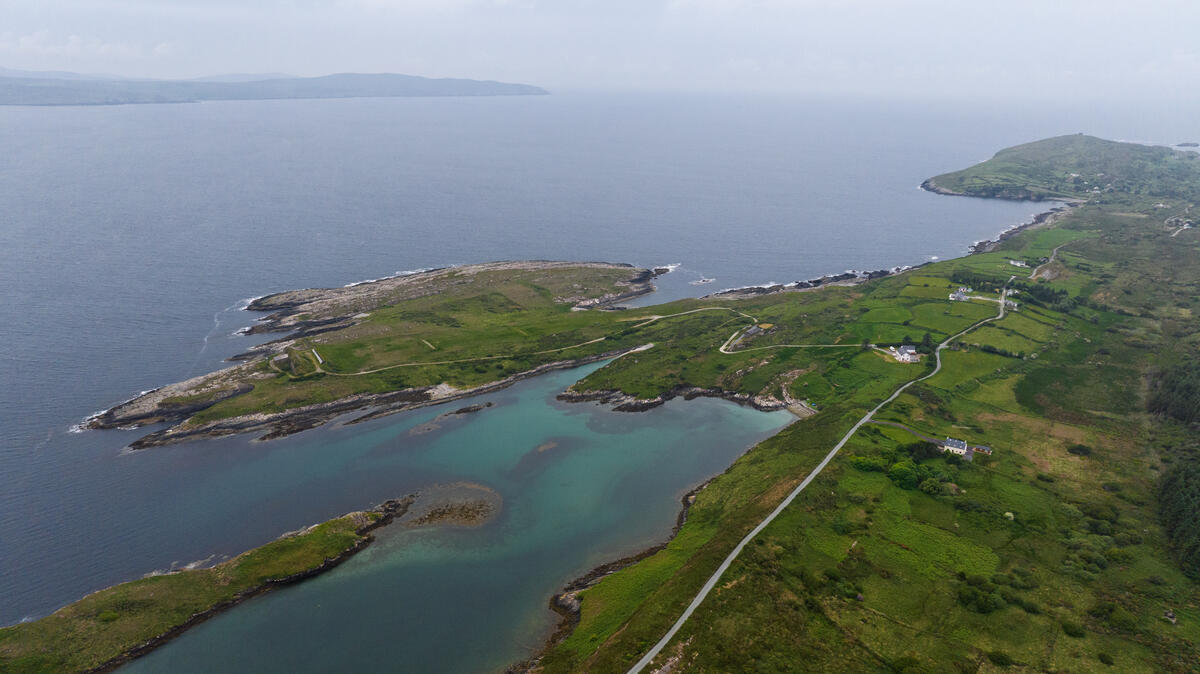
Geographically, the opportunity is substantial. The Gaeltacht spans seven counties along Ireland's western and southern seaboard, including some of the country's most visually striking landscapes: the Twelve Bens and Aran Islands in Connemara, the Donegal coastline around Gweedore and Glencolumbcille, the Dingle Peninsula in Kerry, and Achill Island and the Mullet Peninsula in Mayo. Six of Ireland's inhabited islands sit within Gaeltacht boundaries. These aren't undiscovered places in the postcard sense, plenty already feature on tourist itineraries, but this fund is specifically about helping local operators turn passive scenic appeal into structured, bookable, language-and-culture-led experiences that visitors will pay a premium for and return to repeat.
What This Means for Visitors and Local Businesses
For a small operator in Connemara or a community co-operative in Donegal, this fund represents a genuinely accessible route to building something new. Unlike some of Údarás na Gaeltachta's other supports, which focus on manufacturing or export-oriented businesses, this scheme is built specifically around tourism and is open to community groups and non-profits as well as registered companies, widening the pool of who can realistically apply. For visitors, meanwhile, the timing aligns neatly with a broader moment of interest in the Irish language: from the global success of Irish-language film and music to renewed engagement with Gaeilge among younger generations both at home and abroad, the cultural appetite this fund is tapping into already has genuine global momentum behind it.
The Bottom Line
A century after the Gaeltacht was first formally recognised, Údarás na Gaeltachta is putting real money behind the idea that Irish language and culture isn't just something to preserve, it's something visitors will actively travel for and pay for, if it's packaged well. With 42% of the Irish public already saying they're interested and applications open until the end of June, this is a live opportunity for tourism businesses and community groups across seven counties to get in early on a genuinely new funding stream.