Murder Hole Beach, Donegal: The Name and What It Doesn't Prepare You For
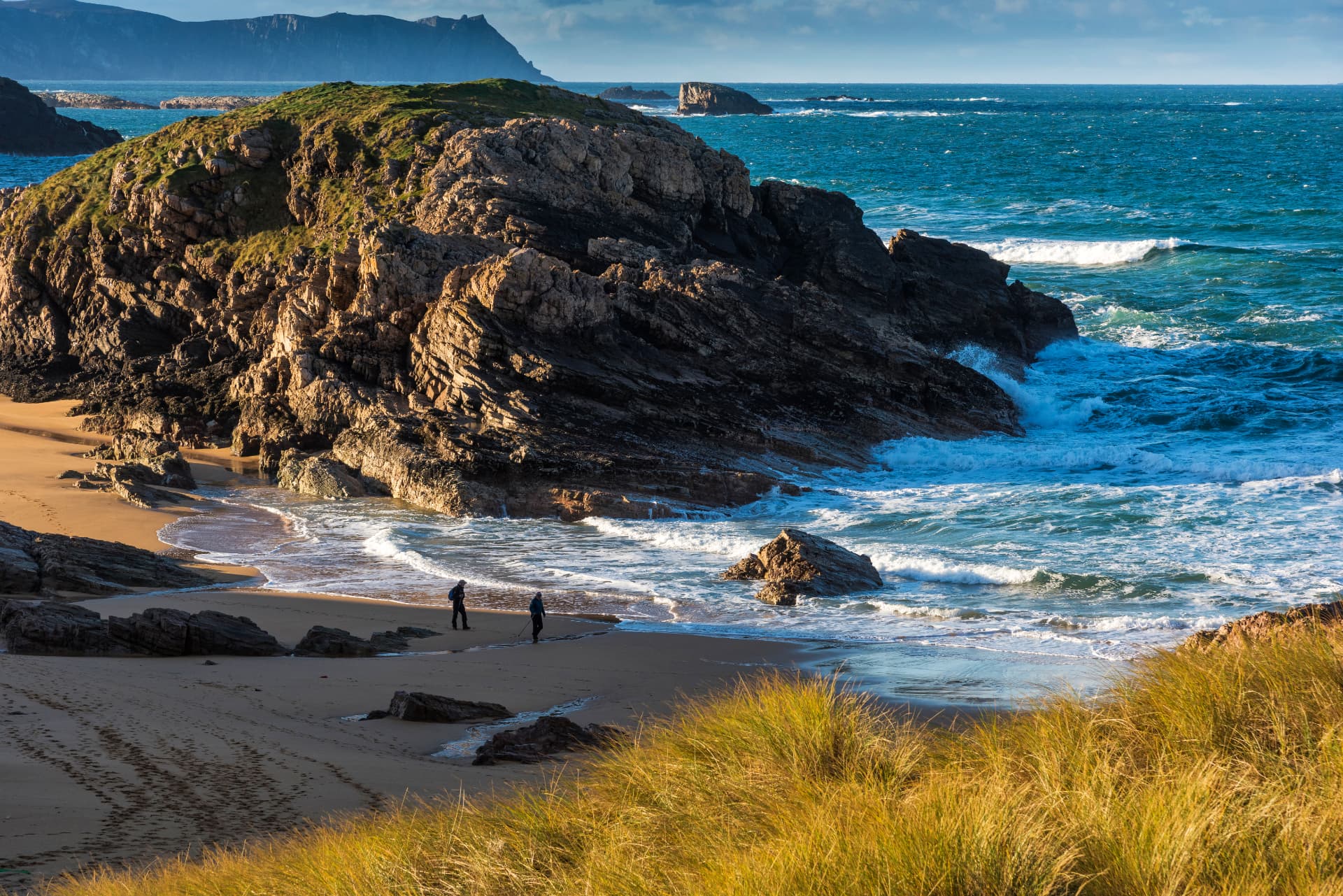
A white-sand horseshoe cove on the Rosguill Peninsula, reached only on foot — the name draws people in, and the turquoise Atlantic water does the rest.
The Name and What It Doesn't Prepare You For
Boyeeghter Bay — known almost universally as Murder Hole Beach — sits on the northern shore of the Rosguill Peninsula in County Donegal, accessible only on foot via a walking path that descends steeply from a small roadside car park. The name is old and its origin disputed — some accounts connect it to a historical tragedy on the beach, others to the Irish words that give Boyeeghter its pronunciation, and others to the simple physical reality of a beach enclosed by cliffs that would have made it a dangerous landing point in bad weather. Whatever its origin, the name has achieved something unusual in Irish tourism: it makes people seek out a beach they might otherwise have driven past, and what they find when they arrive there is genuinely extraordinary.
The beach itself is a sweep of white sand in a horseshoe cove, enclosed on three sides by dark cliffs and backed by the dunes of the Rosguill Peninsula. The water — fed directly by the Atlantic at the mouth of the cove — is an improbable shade of turquoise in good light, clear enough to see the sand bottom at depth, cold enough in every season to make immersion a genuine achievement. The surrounding landscape of headland, cliff and open ocean gives the beach a visual drama that is heightened by its inaccessibility — you cannot see it from the road, you cannot drive to it, and the descent on foot ensures that only the visitors who specifically seek it out are present when you arrive.
The Rosguill Peninsula
Boyeeghter Bay is the most dramatic destination on the Rosguill Peninsula, but it sits within a broader landscape that rewards a full day of exploration. The Atlantic Drive — a loop road that circumnavigates the peninsula with views across Sheephaven Bay to Marble Hill Strand and Doe Castle on one side and Mulroy Bay on the other — is one of the less-visited coastal drives in Donegal despite offering views comparable to those on the more famous Malin Head and Horn Head circuits further north.
Doe Castle, just across Sheephaven Bay near Creeslough, is a 15th-century tower house built by the MacSweeny Doe clan — one of the Scottish gallowglass families that came to Donegal as mercenary soldiers and became powerful local lords — on a promontory in Sheephaven Bay. The castle's position, with water on three sides and a rock-cut moat on the fourth, gives it a formidable physical presence. OPW management of the site has improved access and interpretation in recent years without diminishing the castle's atmosphere.
Marble Hill Strand, at the head of Sheephaven Bay, is a long Blue Flag beach that is popular with Donegal families and provides the calm, family-friendly swimming counterpoint to the more dramatic and less accessible Boyeeghter Bay around the headland. The contrast between the two beaches — the organised amenity of Marble Hill and the wild inaccessibility of Murder Hole — captures something about the Rosguill Peninsula's character: a place that offers both the comfortable and the dramatic within a short distance of each other.
Getting There and the Walk
Boyeeghter Bay is reached from the R245 between Carrigart and Downings on the Rosguill Peninsula. A small car park at the top of the path to the beach accommodates a limited number of vehicles — arrive early on summer weekends if possible. The walk from the car park to the beach takes approximately 15 to 20 minutes and involves a steep descent on a rough path that requires appropriate footwear. The same path must be climbed on the way back, which adds to the physical effort but also to the sense of having earned the experience. No facilities are available at the beach itself — bring water and food and take all litter back with you.
The swim, if you choose to attempt it, is cold in all seasons — water temperatures in Donegal peak at around 15 degrees Celsius in August and September and fall to 8 to 10 degrees in winter. The cold is the point for many of the year-round swimmers who have made Murder Hole Beach part of their regular wild swimming circuit, and the combination of the dramatic setting, the clear water and the adrenaline of cold water immersion produces exactly the kind of experience that cannot be replicated in a heated pool or a calmer, more accessible beach.
The Broader Donegal Hidden Gem Circuit
Murder Hole Beach is best experienced as part of a wider Donegal itinerary that includes the Fanad Peninsula, Portsalon Beach, Rathmullan on Lough Swilly, Malin Head at the most northerly point of the island, and the Slieve League Cliffs — which, at over 600 metres above sea level, are significantly higher than the Cliffs of Moher and receive a fraction of their visitor traffic. The combination of those destinations across two or three days makes a Donegal coastal circuit one of the most rewarding short breaks available in Ireland, particularly in September when the summer crowds have departed and the Atlantic light has the particular quality of early autumn.
The Bottom Line
Murder Hole Beach — Boyeeghter Bay — is one of those Irish destinations that people discover by accident, photograph immediately, and cannot stop recommending to others. The name draws them in, the walk filters out the casual passer-by, and the beach itself delivers the kind of Atlantic coast beauty that Donegal provides in abundance but that this particular cove concentrates into one dramatic, enclosed, improbably coloured horseshoe of sand. Go early, go prepared, go in September if you can. The beach will be there. The crowds, for once, will not.